UX Audit
We walk through your application like a user and write down where it gets stuck. The result is a sorted list, not an expert opinion.
What UX design is
UI is the surface: colors, buttons, spacing, states. UX is the way there and everything after it: which steps there are, in which order, and where people bail out. You need both, but you do not solve them with the same means.
What sets this apart from web design is the subject. A website is an appearance: it is there to explain and convince, and after that it is finished. An application gets used, every day, often by the same people. There it is not the first impression that counts, it is the fiftieth.
That is why we work differently here. Instead of drafts to pick from, there are flows to play through. Instead of rounds of personal taste, there are five people trying it while someone watches. That is less comfortable and gets to the point faster.
If you just need a website, web design is the better fit. If you are building a tool that people are meant to work with — that is product design, and you are in the right place here.
About the number five that keeps coming up below: it does not come from a hunch. From about five test participants on, the observations repeat, because the same places trip up the same people. Ask thirty people instead and you do not get better findings, just the same ones in greater number and later.
More important than the number is that they are the right people. Five colleagues from your own company find nothing, because they know the system. Five people seeing it for the first time find more in an hour than a quarter of discussion does.
How we help
Not every project needs everything. Usually the first item is enough to know which one comes next.
We walk through your application like a user and write down where it gets stuck. The result is a sorted list, not an expert opinion.
Five people from the real target group solve real tasks while we watch. From the fifth on, something new rarely comes up.
New interfaces or a rework of existing ones. Clickable as a prototype before anyone develops a thing.
Building blocks, rules and states in one place. After that, new screens come out of existing parts instead of out of nothing.
How we work
What should users be able to get done, and how often? That becomes the list everything is measured against later.
Where do people drop out today, where do support requests pile up. We prefer numbers to assumptions.
First the path through the application, rough and quick. Wanting to change something at this stage costs nothing.
Five people, real tasks, observation instead of an opinion poll. Whatever fails twice gets changed.
The tested flow becomes the finished interface, with every state: empty, loading, error, full.
Professional Services
Building the company website with a redesign of the logo, a clear brand identity and a well-thought-out UI and UX concept for a modern and intuitive user experience.

Retail & Wholesale
Redesign of an online shop for horse products with a focus on UX, clear product pages and a well-considered site structure for an optimal shopping experience.
Hospitality & Leisure
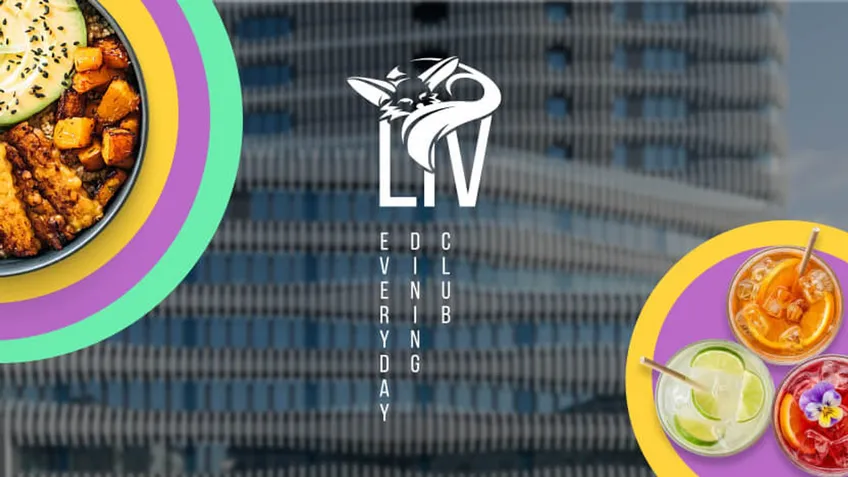
The branding for the robot restaurant on the ground floor of the RKM 740 in Düsseldorf-Heerdt covers the logo, color scheme, typography and menu.
Design System
A design system is an investment that only pays off from a certain size on. With three screens it is effort without return. From about twenty, or as soon as two teams build in parallel, the ratio flips.
The benefit is not in the looks, it is in the speed. Once button, form field and table are settled, a new screen takes hours instead of days. And it looks like the rest without anyone having to pay attention to it.
What matters is that development and design use the same building blocks. A system that only exists in the design tool is waste paper after half a year. So we set it up with the same names on both sides.
Everyday use decides what belongs in it: the ten building blocks that turn up everywhere. Anything rare stays out, otherwise nobody maintains the system in the end.
One topic that has not been optional since 2025: accessibility. The German Accessibility Strengthening Act (Barrierefreiheitsstärkungsgesetz) obliges many providers to make their digital offerings accessible. It affects anyone selling to consumers, with exemptions for micro-enterprises.
In practice this is rarely about screen readers, it is about the basics: sufficient contrast, operability with the keyboard, form fields with proper labels, error messages that are not only red but actually say something. Most of it makes the application better for everyone, not only for people with a disability.
The cheapest moment for it is the design stage. Adding contrast and focus states afterwards means touching every component a second time. Set them up properly in the design system once and the topic is done.
Frequently asked
The price depends on the number of screens and on whether a design system is needed. An audit is the cheapest way in and tells you afterwards what the rest would cost. For Gravitate Music we handled design and development as an MVP: a player that shows tracks as a soundwave, stems instead of a download, one tone per genre. Here too, BAFA funding may be an option for small and medium-sized companies; whether your company is among them is checked by COZMOO.
A structured review of your application along real tasks. At the end there is a list of concrete problems, sorted by impact, with suggestions. Not a report about principles.
UI is the surface, the visible part. UX is the flow around it: order, comprehensibility, error cases. A beautiful interface on top of a bad flow does not make things better, only prettier.
From about twenty screens or two teams working in parallel it is worth it. Below that, a tidy collection of building blocks is enough and the effort goes into the thing itself.
By what went wrong before: drop-off rate in a form, time until the task is done, number of support requests about one spot. We record those figures beforehand, otherwise the comparison is worthless.
Access to the application, someone from support or sales for an hour, and five people from the target group for the tests. Finding them is usually the hardest part, and we help with that.