Explainer videos
One process, one product, one principle, understandable in two minutes. Usually animated, because animation shows what nobody gets to see in reality.
When video is worth it
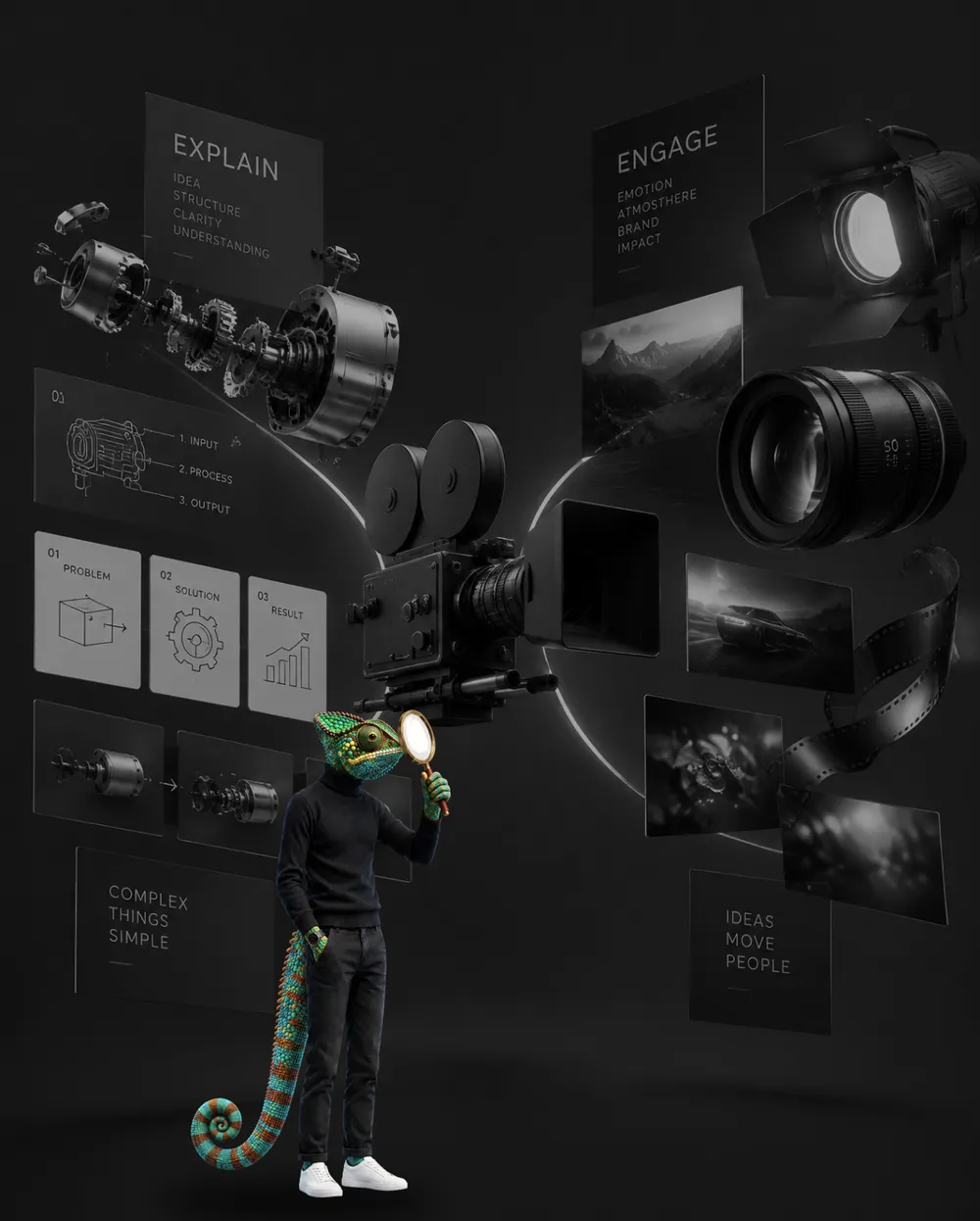
Some products are sold by one good photo. And some need sales to talk for twenty minutes before it is even clear what they are about. A machine that replaces a process. Software that works in the background. A component you would have to take apart to understand it.
That is exactly where an explainer video pays off. It takes the same opening pitch off your sales team's hands and delivers it in a form that works at every trade fair, in every email and on every landing page. Two minutes you produce once and use a thousand times.
A commercial has a different job. It does not explain, it makes someone look and feel something. Mixing the two usually goes wrong: a film meant to explain and excite at the same time ends up doing neither. So we settle first which of the two jobs is on the table.
And sometimes the honest answer is: neither. If the product is simple and the market knows it, a film costs money without effect. We will say so.
What makes films fail in practice is rarely the production. It is the order: the film is commissioned before it is clear who it should tell what. The result is a brand film that mentions everything and explains nothing, and sales never use it, because it is too long for the first contact and too vague for the technical conversation.
What we do
One process, one product, one principle, understandable in two minutes. Usually animated, because animation shows what nobody gets to see in reality.
Short films for a campaign, a trade fair or social media. Shot, animated or a mix of both.
Products in motion, even before they exist. It comes from the same hands as our visualizations, so the look matches.
How a logo builds, how text enters the frame, how a transition looks. Defined once, it holds for every video after that.
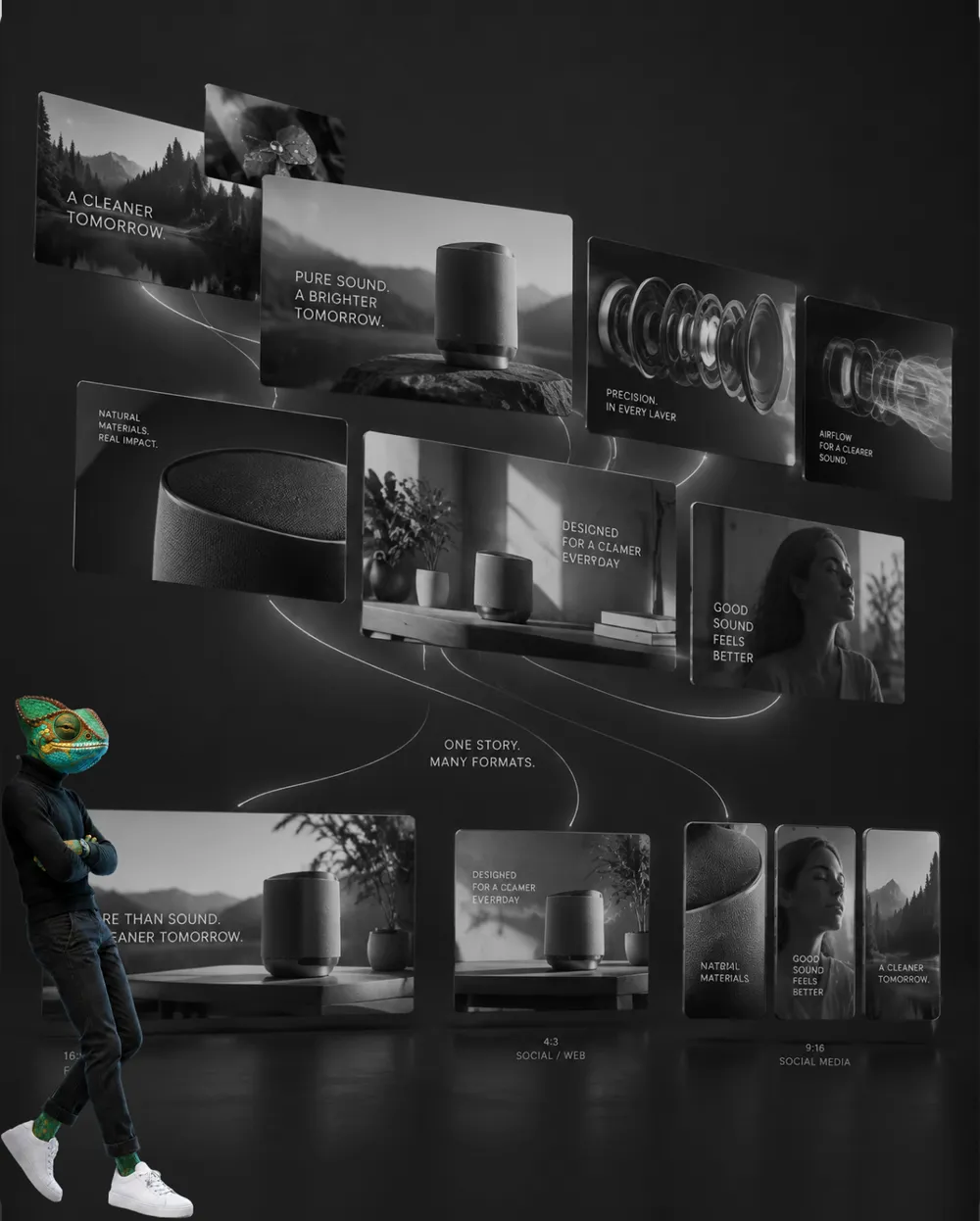
One film quickly becomes five: landscape for the website, vertical for social, short for the ad, with and without subtitles.
How a film gets made
Who should the film tell what, and where will it be used? After that it is settled whether it becomes an explainer video or a commercial.
The words come before every picture. Trim them here and you save the most expensive corrections later.
Every shot as a sketch, with timing. From here on you know what you are getting.
Shoot, animation or both. Voice-over, music and sound design are part of it.
One round of corrections on the finished film, then every format for the channels you run.
Professional Services
Building the company website with a redesign of the logo, a clear brand identity and a well-thought-out UI and UX concept for a modern and intuitive user experience.

Retail & Wholesale
Redesign of an online shop for horse products with a focus on UX, clear product pages and a well-considered site structure for an optimal shopping experience.
Hospitality & Leisure
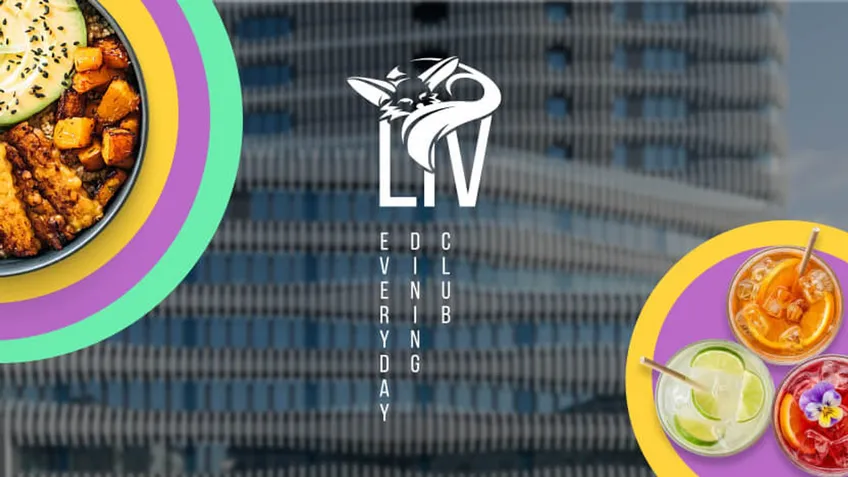
The branding for the robot restaurant on the ground floor of the RKM 740 in Düsseldorf-Heerdt covers the logo, color scheme, typography and menu.
Animation or shoot
A shoot needs something you can film: people, rooms, a finished product. It brings an atmosphere that is hard to build, and costs preparation in return. Weather, schedules, locations, approvals.
Animation, on the other hand, can show things no camera sees: the inside of a machine, a material flow, software at work. It can be changed without anyone travelling again, and it works even when the product does not exist yet. Where the result has to be photorealistic, it comes out of the same pipeline as our 3D visualizations.
In practice we often mix the two: real footage for the mood, animated inserts for the explanation. The switch goes unnoticed when both follow the same visual language. That is what the brand in motion is for — it holds for every film after that.
One point many only think about after the production: at trade fairs and on social media, films run without sound. Rely on a voice-over there and you are showing two minutes of silent pictures. So we plan subtitles and on-screen text in from the start instead of laying them on afterwards.
The first second matters just as much. In the feed that is where it is decided whether someone scrolls on. An opening title with a logo costs exactly the attention that is missing afterwards. The brand belongs at the end, the reason to look at the beginning.
And the film is rarely used on its own. One production yields the long edit for the website, a shorter one for sales and three clips for social. That costs barely more when you know it up front, and noticeably more when you do not.
Frequently asked
The effort is driven by length, the amount of animation and the number of versions, not by the subject. We name the range as soon as it is clear whether it becomes an explainer video or a commercial. For Poura the bottle runs as a 3D animation across the whole website; Awwwards honored the site with an Honorable Mention. As a small or medium-sized company you may be able to apply for BAFA funding; how the application works is explained by COZMOO.
The longest item is usually not the production but the approval of the script. Decide quickly there and you have the film that much sooner. Milestones and dates are in the quote.
Ninety seconds to two minutes when it is about a product. Hardly anyone watches anything longer to the end, and what comes after two minutes usually belongs in a conversation rather than in the film.
No. For animated films, CAD data or drawings are enough. That way a product can be shown before the first prototype exists.
Yes, both are part of the production. With music we watch for licenses that also cover advertising and trade fairs, not just your own website.
An hour for the conversation, someone who really knows the product, and one person who is allowed to approve the script.