
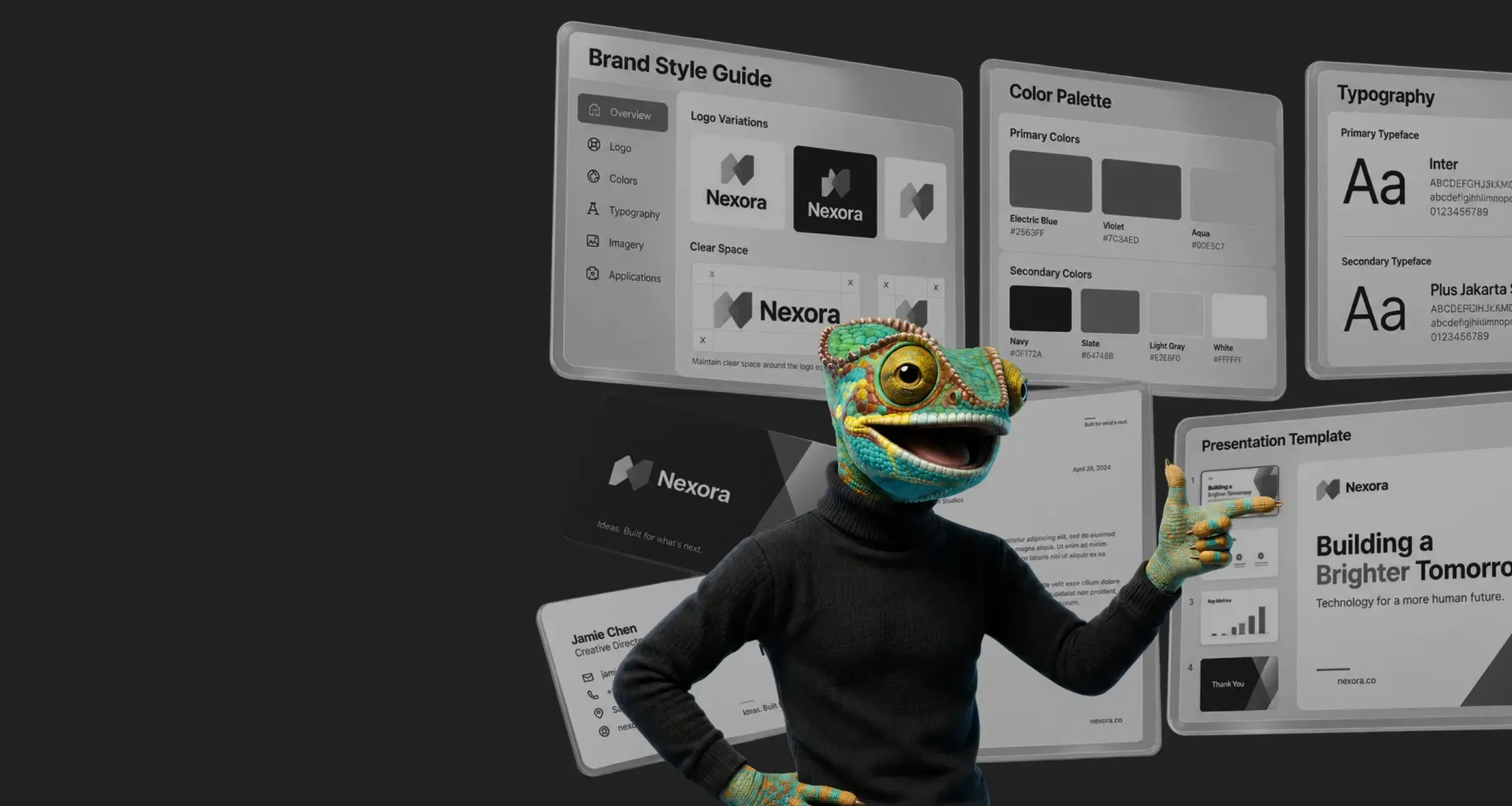
Logo and brand mark
In every version everyday use asks for: horizontal, stacked, single-color, small enough for an app tile.
What's part of it
Brand identity is a word everyone understands differently. Here is what it means with us.
In every version everyday use asks for: horizontal, stacked, single-color, small enough for an app tile.
One set of colors with values for print and screen, plus typefaces that are licensed and work on every device.
How photos look, how much air a layout has, how headlines are set. That is what makes two ads recognizable as yours.
Business card, letterhead, email signature, presentation template. Everything that goes out daily and still gets forgotten.
Brand guidelines that let the printer, the agency and your team make the same decisions, even without us.
Why it matters
Hardly anyone decides at first contact. Between the first ad and the enquiry there are usually weeks and half a dozen touchpoints: a trade fair, a newsletter, the website, a recommendation. For those to become one impression and not six, all six have to belong together.
That is exactly what a brand identity does. It is not a matter of taste, it is a decision aid: once you know which color, which typeface and which tone apply, you don't have to discuss it again every time. In practice that saves more time than any tool.
The test is simple: cover the logo — do people still recognize the brand? At most mid-sized companies the answer is no, because every department keeps its own templates. At the ones that stand out it is yes, and because of color, grid and imagery, not because of the logo.
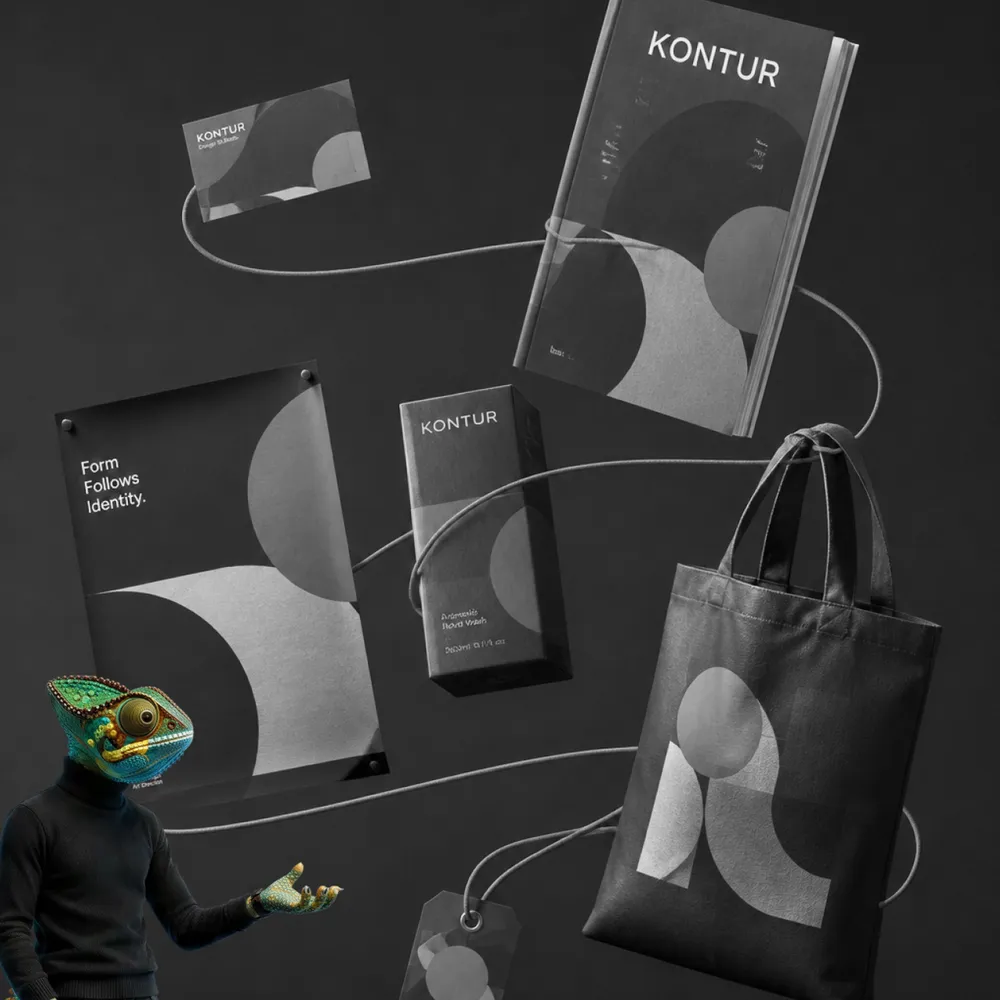
How we work
Where the brand stands, what's stuck, who has a say. 30 minutes are enough for an honest assessment.
What already exists, what of it works, what gets in the way. The competition belongs in there too, so you don't end up looking like everyone else.
Not eight drafts to choose from. Two thought-through directions you can compare, then one of them gets built to the end.
The chosen direction becomes a system: colors, typefaces, grid, applications.
Files in every format, the brand guidelines and a briefing for the people who work with them every day.
Visual identity or branding
The two terms get used interchangeably, agencies included. In short: branding is everything that makes up a brand, the visual identity is the part of it you can see.
Branding covers brand positioning, audiences, tone of voice and promise. That is thinking work and belongs to brand strategy. The visual identity covers what you can see: logo, color, typeface, grid, imagery.
In between sits brand development. It describes the whole path from the question of what a company stands for to the point where people recognize it by its color. Anyone searching for that term usually means exactly this: not just a new logo, but not pure strategy work either — both in one go. With us that is the normal case, because one rarely works without the other.
In practice the two belong together. If you can't say what you stand for, you get a pretty logo without meaning. If you can say it but don't show it, you stay invisible. In the first conversation we work out which of the two steps is due for you. Often it is only one.
Professional Services
Building the company website with a redesign of the logo, a clear brand identity and a well-thought-out UI and UX concept for a modern and intuitive user experience.

Retail & Wholesale
Redesign of an online shop for horse products with a focus on UX, clear product pages and a well-considered site structure for an optimal shopping experience.
Hospitality & Leisure
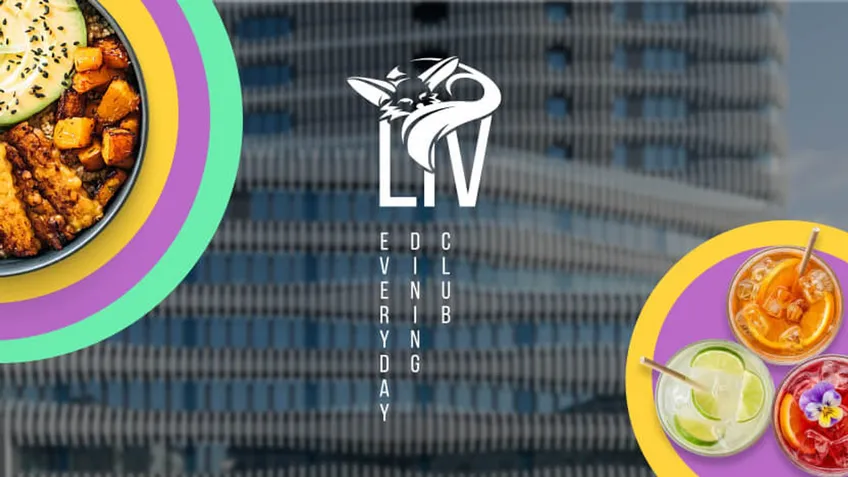
The branding for the robot restaurant on the ground floor of the RKM 740 in Düsseldorf-Heerdt covers the logo, color scheme, typography and menu.
The guidelines
Most brand guidelines sit unread on a shared drive. Not because they are badly made, but because they answer questions nobody asks and skip the one everybody has: how do I actually do this now?
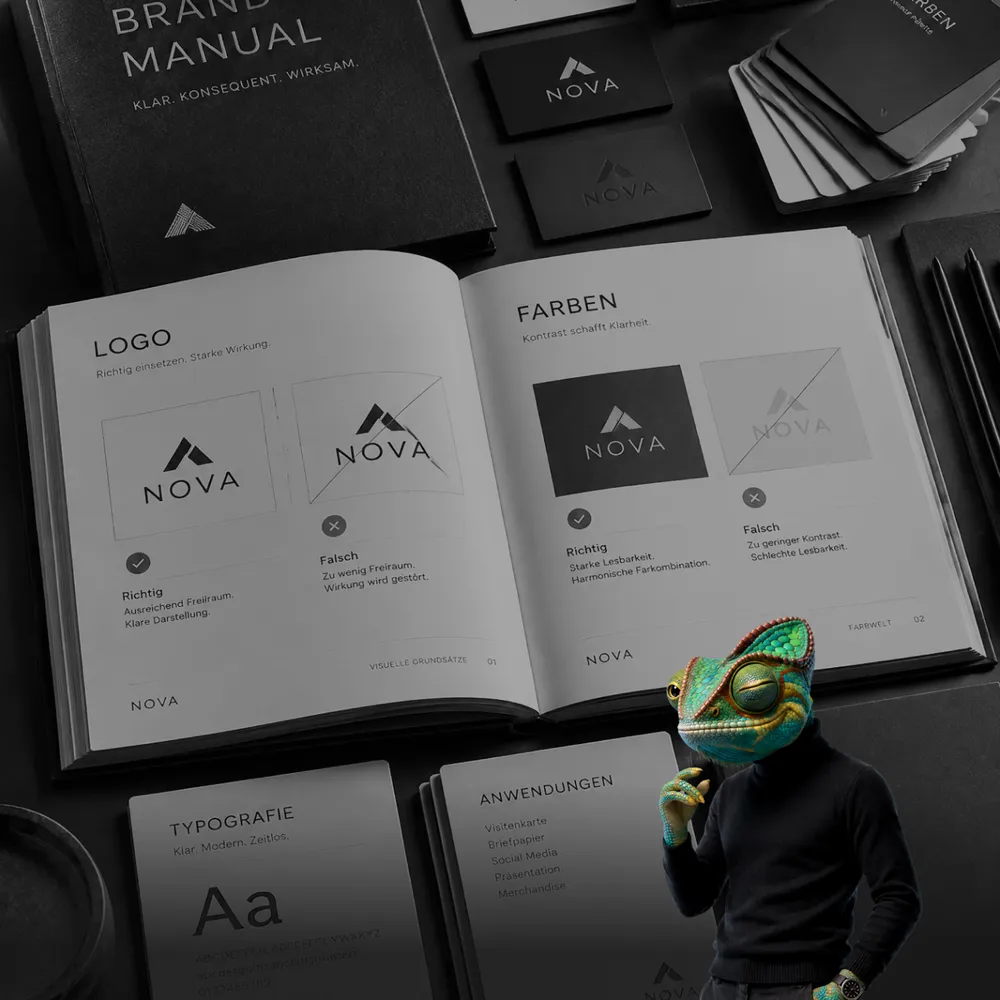
Ours are short and work with examples instead of definitions. Next to every rule stands a right case and a wrong one. Anyone setting an ad sees in two minutes whether they are on the right track.
Then there are the files themselves, sorted and named: logos in every format, color values for print and screen, templates for the applications you really need. What you never use, we don't build.
How extensive the guidelines get is decided by the size of the house. A company of twelve people where one person keeps the templates needs ten pages and clear file names. A company with three locations, an external ad agency and changing service providers needs more, because there nobody can just call across the room. We ask about that in the conversation instead of treating both the same.
Frequently asked
The range depends above all on how many applications are needed — a logo with business stationery is a different project from an identity for three locations. We name the concrete figure after the first conversation. For Bernecker, a firm with 60 years of stock market experience, it was the logo, a purpose-built iconography for the stock market newsletters and the UI for shop, media library and reader forum. If you are a small or medium-sized company, BAFA funding may be an option; requirements and application are handled by COZMOO.
Logo, colors, typography, imagery and grid form the core. Then come the applications: business stationery, templates, signage, everything that goes outside. You'll find the full scope further up this page.
Branding is everything that makes up a brand, brand positioning and tone of voice included. The visual identity is the visible part of it: logo, color, typeface, grid. If you can't say what you stand for, you need the one first and the other after.
The biggest lever is with you, not with us: how fast decisions get made sets the pace more than the design itself. You get a schedule with the quote.
With us the brand guidelines are part of the project, not an extra line item. They come about along the way anyway, because we document every decision while we make it.
Whatever is printed in large quantities gets used up. Everything digital we switch over on a set date. We tell you beforehand which order costs the least.
An hour for the conversation, access to whatever material exists, and one person who is allowed to decide. Everything else we pick up along the way.