
We do love our clients.
In the exciting world of client relationships we constantly meet a wide range of personalities. Some clients are as unique as the projects we work on, while others keep confronting us with the same challenges.
And then there are those who fall into categories we affectionately call "clients from hell". These clients are so special that we have dedicated an entire blog post to them.
The copycat
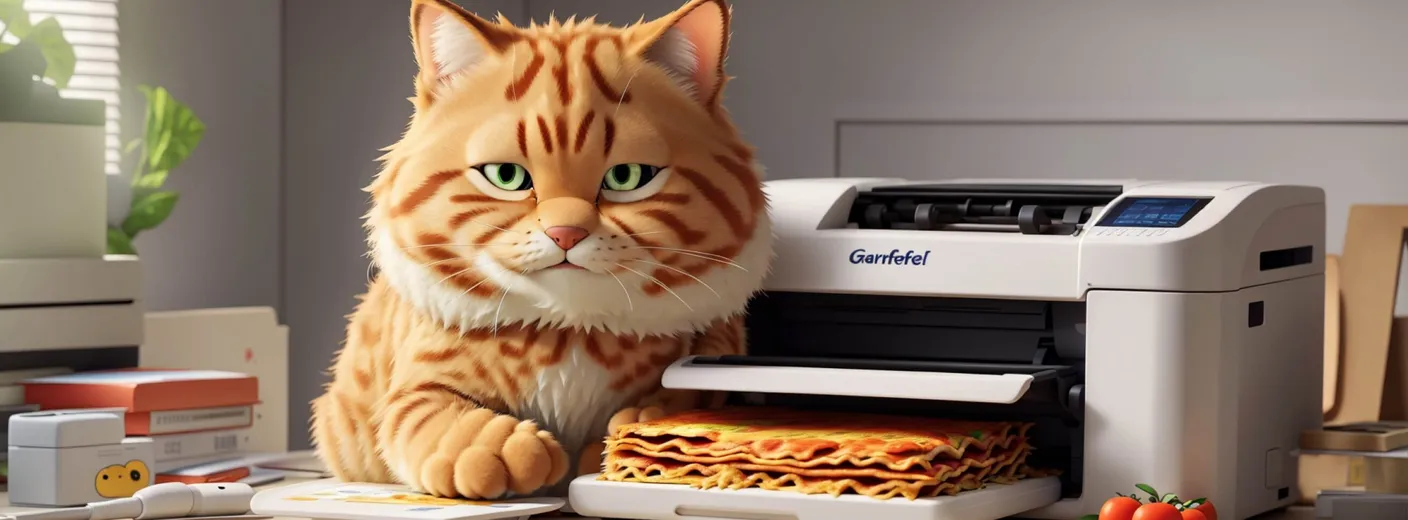
"Your work is great, but can you make it look exactly like this other design I saw?" The copycat loves to be "inspired" by others and then hit the originality-off switch. That can be really frustrating, because copying is not exactly the creative work designers have in mind.
Our tip: Look at the references, but add your own creative touch.
The paradox client
"Can you make it modern but still traditional? Serious and funny? Epic but intimate?" These clients live in their own world of paradox and are masters of contradiction. They know exactly what they want and at the same time have no idea at all.
Our tip: Stay flexible and learn to read between the lines.
The pop artist
"Come on, make it more colourful. Jazz it up. It's too plain. Make it pop!" We love the drama, but this type of client loves it even more. These clients are fans of wild, decorative elements, the more the better – with no regard for the overall picture. It is as if they throw a rainbow over everything and expect it to work. Sometimes less is more – they do not get that. More is more, right?
Our tip: Absolutely no idea, friends. What is there left to say about "make the logo bigger"?
The lawyer
A master at flexing legal muscles. Everything is placed under a top-secret non-disclosure agreement, as if he held the most secret intellectual property of all time. One mistake and the lawyer gets in touch. Rumour has it we are working on a spy thriller, but in reality it is just a simple logo. Lawsuit filed.
Our tip: When dealing with these clients, make sure all legal questions are settled from the start.
The ninja
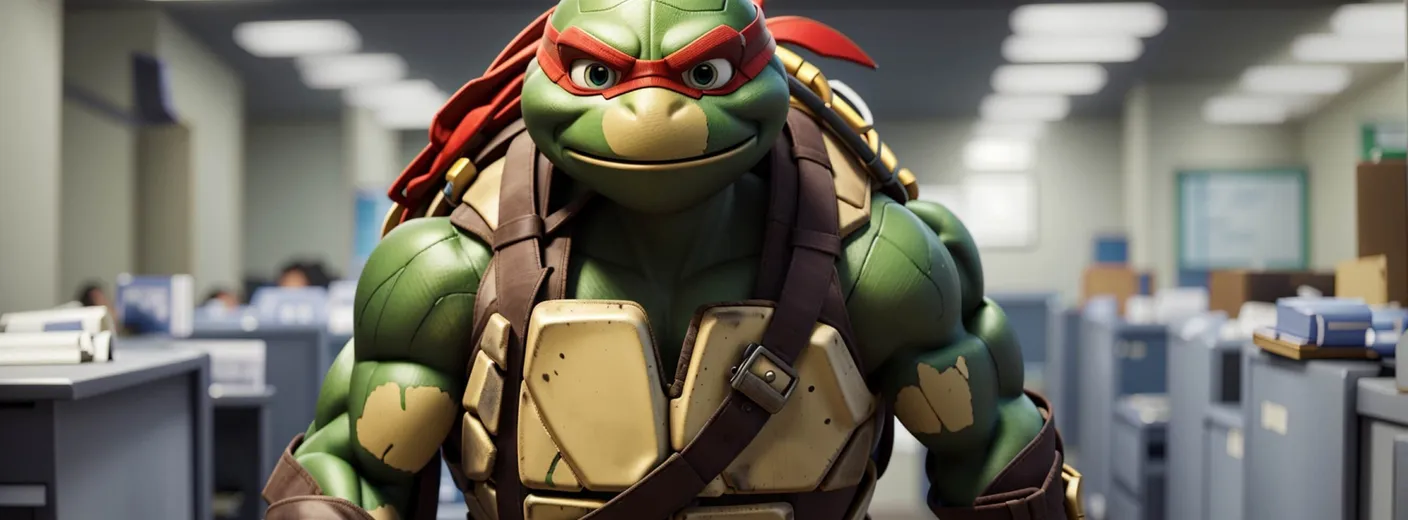
The routine goes like this…
Step one: stress how urgent the project is.
Step two: simply vanish without warning. Who knows for how long.
Step three: make it as hard as possible for the company to get in touch, then brush them off.
Our tip: Patience is required here. Communicate clear deadlines and expectations to avoid surprises.
The unofficial agent
Thinks he is doing you a favour by giving YOU, a lowly designer, the opportunity to work for him. I mean, do you know who you are talking to? This client is a gift from the universe! Our talent scout for creatives then dodges payment, because for all that "exposure" you should really owe him one.
Our tip: Set clear payment terms and reminders to avoid financial misunderstandings.
The backpedaller
"The design didn't work for us, so we shouldn't have to pay you the remaining amount." Simple maths, right? That is how it works everywhere else too, isn't it? In a restaurant we also weigh our food and only pay for what we have eaten. Seriously though, wriggling out of agreements like this and trying to escape obligations to avoid payment is pretty low.
Our tip: Don't get taken for a ride. Document and communicate every step of the project to avoid such situations.
The designer
Here we are dealing with the one true expert. A type of client who tries to do the work for you. Whatever you do, you are not doing it right. In the end it is a design that you did not make – the client did. Do these clients throw around terms like page grid, white space and letter spacing? Yes, of course. Do they know what they mean? Nope, but it sounds good and shows they know what they are talking about… And in the end the designer or developer is still to blame when it looks like crap.
Our tip: Communicate your role and expertise clearly to protect your creative work.
The stress case
Has no time, wants everything done yesterday. This client has no patience and expects everything to be finished yesterday. He calls every few days to ask about progress even though the deadline is still a month away. For this type of client time is relative, and impatience is their middle name.
Our tip: Manage expectations and communicate the project schedule clearly.

The tag team
The duo or trio or whatever, with a lot of opinions. Don't celebrate too soon, because it is not one opinion but two or three different ones making your life difficult. Each of them tries to make you dance to their tune. Finding the healthy middle ground shows you what stress really means.
Our tip: Clear communication – and get yourself a Taki, ours works great. A strong project manager can help keep things on track.
The scope creeper
This client has a knack for getting more out of the project than agreed – and above all more than was paid for. He continuously adds new requests and never seems satisfied. More and more requirements, more and more changes, and the best part: he expects you to do it without additional payment.
His signature move? His favourite sentence, which starts with "Couldn't we also…?"
Our tip: Make clear agreements from the start and define the project scope precisely to avoid changes.
The ditherer
A type of client who is never completely sure. The project start drags on because he constantly voices doubts and concerns. This client requires a lot of persuasion, because he always – and I mean always – finds something to pick at. You will recognise him by the fact that he can never make a clear and, above all, a final decision.
Our tip: The perfect opportunity to build up your own patience. The client needs to be able to share his thoughts and concerns so that, together, clear explanations and examples can take on the uncertainty.
The yes-man & the no-man
Here we have an unequal duo. Sometimes it is hard to say which is worse: the yes-man, who impulsively agrees to anything and everything only to cancel later by email, or the no-man, who rejects almost everything from the start. In both cases it often ends in a "no", but now and then we long for the happy feeling of a "yes", don't we?
Our tip: Communication and empathy are key here. Listening carefully is the motto. Best to ask once about the reasons for the constant agreement or rejection.
The problem with clients like these
The great trilemma underlying all of this…
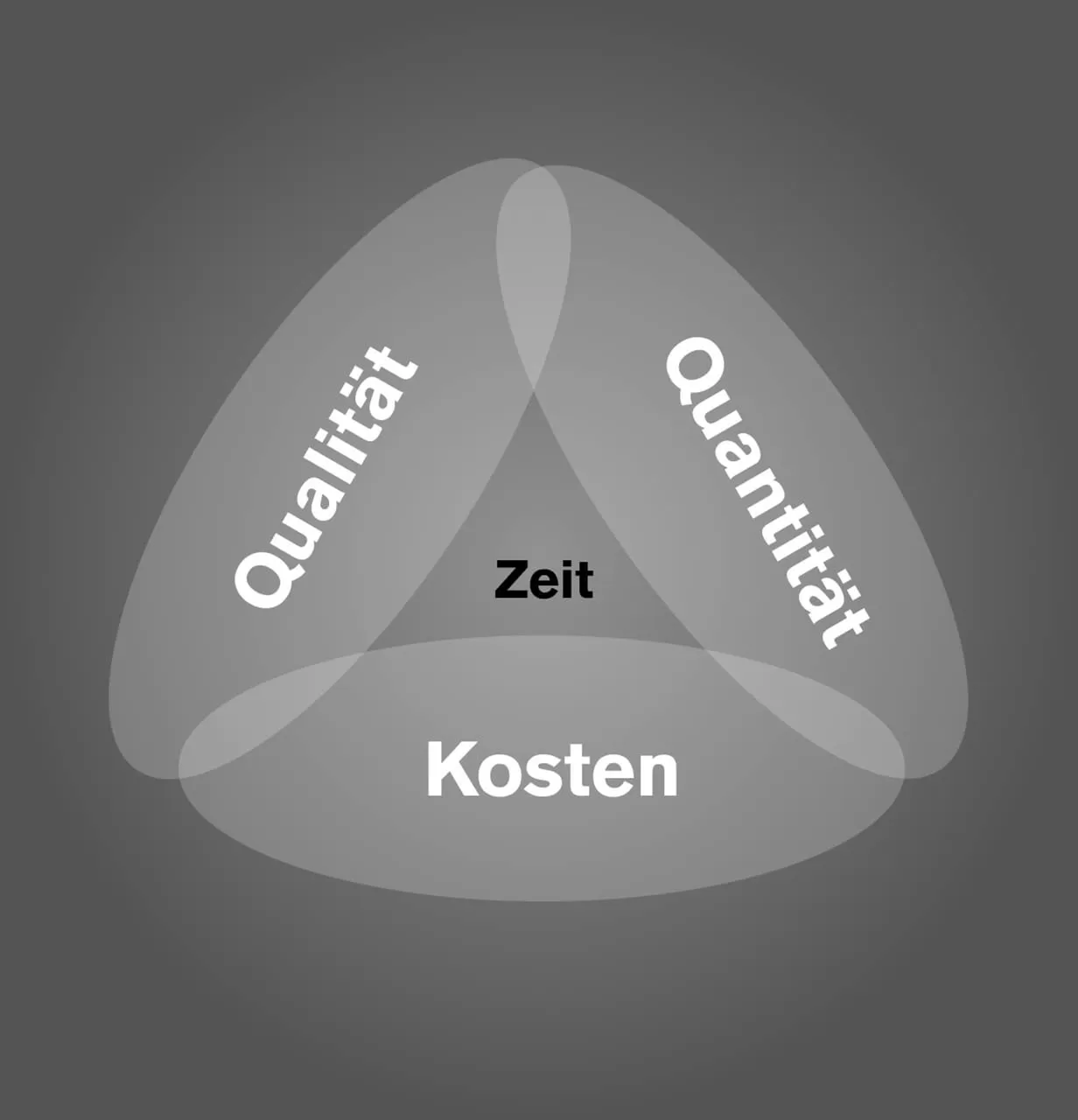
As a design studio, we and our clients constantly face the demanding trilemma of quality, quantity and cost. Every client, every project and every budget challenges us to reconcile these three factors. But here lies the problem: one of the three always suffers.
The art of creativity takes time, talent and resources, and those things cost money. It is like buying furniture: you can buy three cheap plastic chairs that do not impress much, or three expensive design pieces of the highest quality, handmade and unique – but for that you have to dig deeper into your pocket. Or you choose just one to roughly match the price of the three cheaper chairs.
Many clients do not always fully understand that what we do is a craft. We design, develop, build and create. It takes expertise, creativity and dedication. This is not the mass production of plastic chairs but the creation of individual works of art.
Finding the balance to achieve quality and quantity despite limited resources is a constant challenge. Time plays an important role here too, and speed can mean additional costs. Creative work requires smart trade-offs and the willingness to set realistic expectations in order to succeed. Quality, quantity and cost will always be present, but with a balanced approach we can still achieve outstanding results.
First feedback round: "Yes, of course, that's exactly how we'll do it! You're the designer, you know what you're doing!" – no client ever